
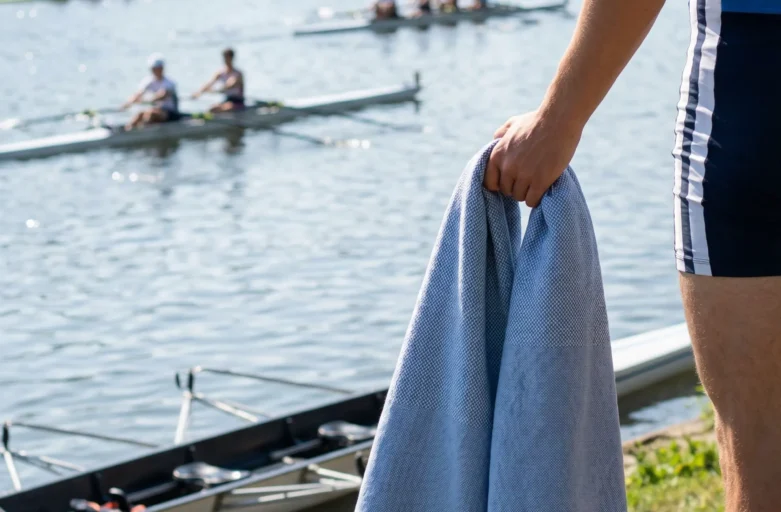
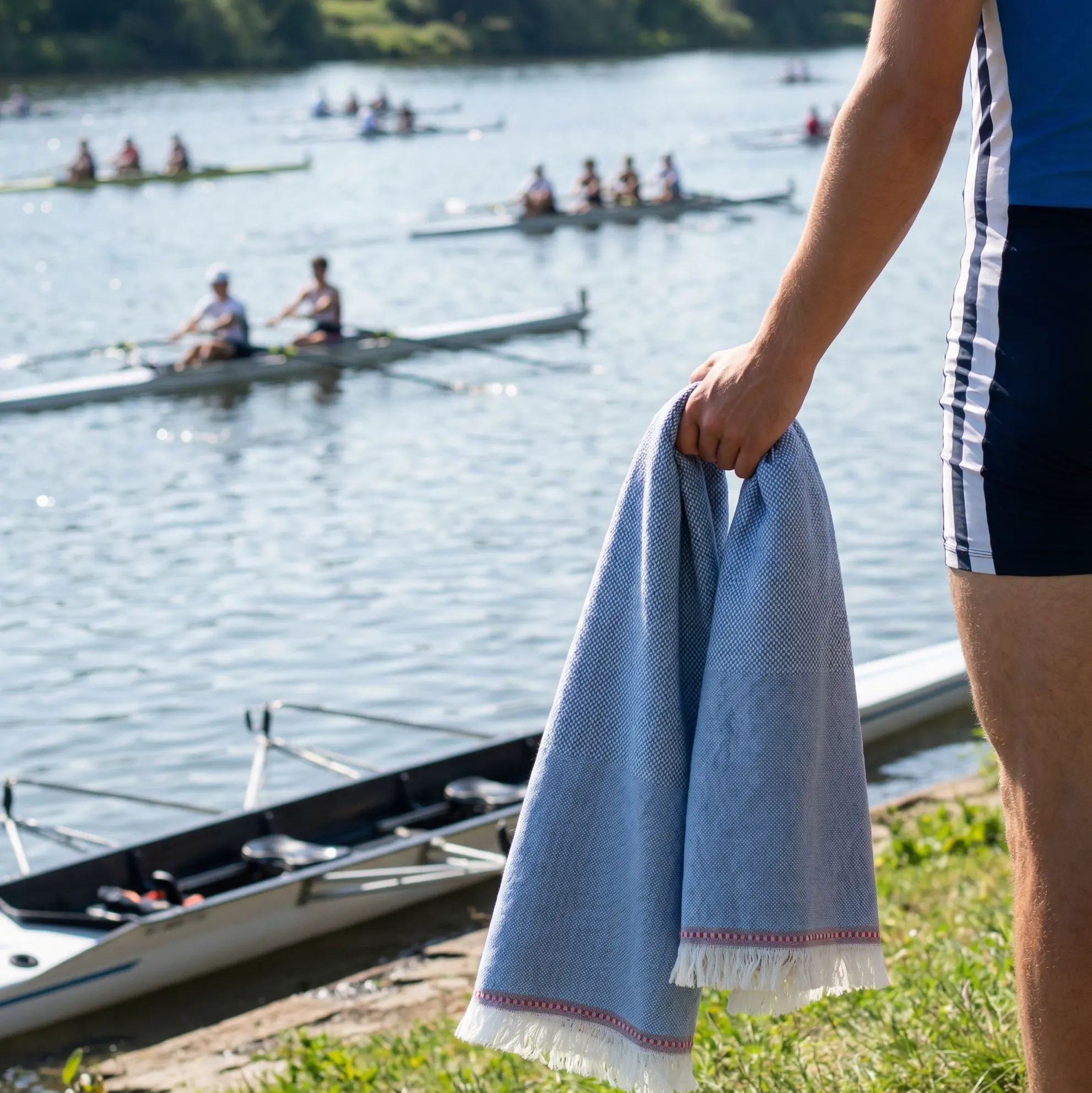
There is something timeless about rowing. Long before modern fitness trends and high-tech sports equipment, people were using oars to move across rivers, lakes, and coastlines. Today, rowing remains one of the most rewarding water sports, combining physical exercise, technical skill, and the simple pleasure of being outdoors.
For beginners, rowing can look intimidating at first. The boats are narrow, the movements seem highly coordinated, and experienced rowers often make it look effortless. The good news is that rowing is much more accessible than it appears. With the right guidance and a little practice, almost anyone can learn the basics and enjoy their first time on the water.
Whether your goal is fitness, relaxation, competition, or simply spending more time outdoors, this guide covers everything you need to know before your first rowing session.
What Is Rowing?
Rowing is a water sport in which athletes use oars to propel a boat through the water. Unlike paddling sports such as kayaking or stand up paddle boarding, rowers sit facing backward and use their legs, core, and upper body together to generate power.
There are several types of rowing, including recreational rowing, coastal rowing, indoor rowing on a rowing machine, and competitive rowing. Beginners usually start on calm lakes or slow-moving rivers, where they can focus on learning technique and balance.
One of the reasons rowing has become increasingly popular across Europe is its combination of fitness benefits and connection to nature. A rowing session can feel like a workout and a peaceful outdoor escape at the same time.
Why Rowing Is One of the Best Sports for Beginners
Many sports focus on a specific part of the body. Rowing is different. It is often described as a full-body workout because it engages multiple muscle groups during every stroke.
Regular rowing helps improve:
- Cardiovascular fitness
- Leg strength
- Core stability
- Back and shoulder strength
- Coordination and balance
- Endurance
One of rowing’s biggest advantages is that it is low impact. Unlike running, rowing places minimal stress on the knees, ankles, and hips. This makes it suitable for people of different ages and fitness levels.
Many beginners are surprised to learn that the legs generate most of the power in rowing. The arms certainly contribute, but a proper rowing stroke starts with a strong push from the legs and flows through the entire body.
The Basic Rowing Technique
Learning proper technique from the beginning will make rowing more enjoyable and efficient.
A rowing stroke can be divided into four phases:
The Catch: This is the starting position. Your knees are bent, your arms are extended, and the oars are ready to enter the water.
The Drive: Push firmly with your legs while keeping your back strong and your core engaged. As your legs extend, your body begins to lean slightly backward.
The Finish: Once your legs are extended, pull the oars toward your body using your arms and upper back.
The Recovery: Extend your arms forward, bend your knees, and smoothly return to the starting position for the next stroke.
At first, coordinating these movements may feel challenging. After a few sessions, however, the rhythm becomes surprisingly natural.
Essential Equipment for Rowing
One of the most common questions beginners ask is what equipment they need.
The essentials include:
- Rowing boat
- Personal flotation device if required
- Comfortable sports clothing
- Water bottle
- Sun protection
- Compact towel
Most rowing clubs provide boats and oars for beginners, making it easy to get started without a large investment.
When choosing clothing, comfort is more important than fashion. Lightweight, breathable fabrics allow freedom of movement and dry quickly after exposure to water.
A compact cotton towel is also useful for drying off after training, wiping down equipment, or changing comfortably after a session. Many rowers carry a lightweight towel in their sports bag throughout the season.
What to Wear for Your First Rowing Session
Weather conditions can change quickly on the water, so dressing appropriately is important.
For warm weather:
- Lightweight sports shirt
- Comfortable shorts or leggings
- Cap or hat
- Sunglasses with retention strap
For cooler conditions:
- Moisture-wicking base layer
- Lightweight jacket
- Long athletic pants
- Wind-resistant outer layer
Avoid loose clothing that could interfere with rowing movements or become caught in equipment.
Many experienced rowers also recommend bringing a lightweight travel towel or compact cotton towel, especially for longer outings or changing after training.
Common Beginner Mistakes
Every rower starts somewhere, and making mistakes is part of the learning process.
Some of the most common beginner errors include:
Pulling With the Arms Too Early
Many beginners rely on their arms instead of driving with their legs. Remember that the legs generate most of the power.
Looking Down
Looking at the boat can affect balance and posture. Keep your head up and focus on your surroundings.
Rushing the Stroke
Rowing is about rhythm rather than speed. Smooth, controlled movements are usually more effective than aggressive strokes.
Gripping the Oars Too Tightly
A relaxed grip helps improve technique and reduces fatigue.
The good news is that these mistakes are easy to correct with practice and instruction.
Safety Tips for New Rowers
Like any water sport, rowing requires basic safety awareness.
Before heading onto the water:
- Check weather conditions
- Wear appropriate clothing
- Stay hydrated
- Follow local navigation rules
- Inform someone about your route
- Row within your skill level
If you are learning through a rowing club, instructors will typically cover safety procedures during your first sessions.
Beginners should always prioritize control and technique over speed or distance.
Why People Keep Coming Back to Rowing
Ask experienced rowers why they love the sport and you will rarely hear the same answer twice.
Some enjoy the fitness benefits. Others appreciate the peaceful environment. Many value the combination of physical challenge and mental focus.
Rowing has a unique rhythm. Once the boat starts gliding smoothly and each stroke flows into the next, distractions tend to disappear. The water, the movement, and the surroundings demand your attention in the best possible way.
That feeling is often what turns a first rowing lesson into a lifelong hobby.
The Small Item Every Rower Appreciates
There is one piece of equipment that is easy to overlook but surprisingly useful: a towel.
After an early morning training session, a splash from an oar, a swim after rowing, or simply changing clothes at the boathouse, having a towel nearby makes life easier. Traditional towels can be bulky and take up valuable space in a sports bag.
A lightweight towel, compact towel, or cotton travel towel is often a better choice for rowing and other outdoor activities. It packs easily, dries quickly, and can be used throughout the day, whether you are spending time on the water, travelling, visiting the beach, or relaxing in a sauna after training.
The best rowing equipment is not always the most expensive. Sometimes it is the simple items that make your experience more comfortable. A good boat gets you on the water, proper technique keeps you moving efficiently, and a practical lightweight towel helps you stay comfortable before, during, and after every rowing adventure.